Botanical Watercolor Clipart: A Versatile Illustration for Creative Branding
As a seasoned brand designer and content marketer, I’m always on the lookout for design assets that not only elevate visual storytelling but also align with a brand’s personality and purpose. Recently, I had the opportunity to review Botanical Watercolor Clipart as part of a mock marketing campaign for a small wellness company launching an all-natural skincare line. The illustrations immediately caught my eye—not just for their aesthetic appeal, but for their potential to support a wide range of creative projects across digital and print platforms.
A First Impression Rooted in Nature
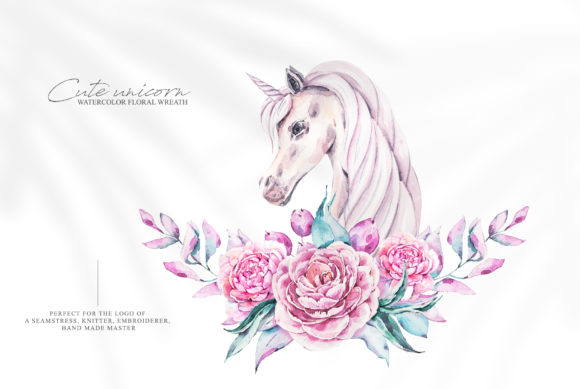
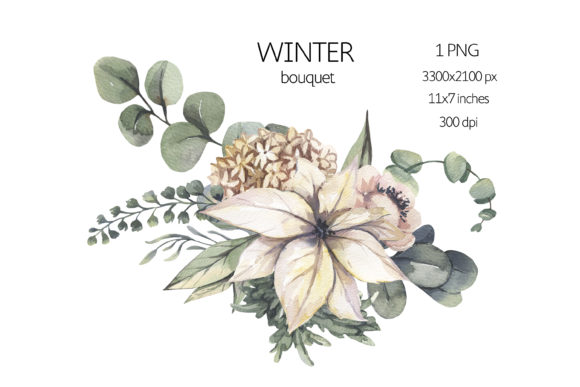
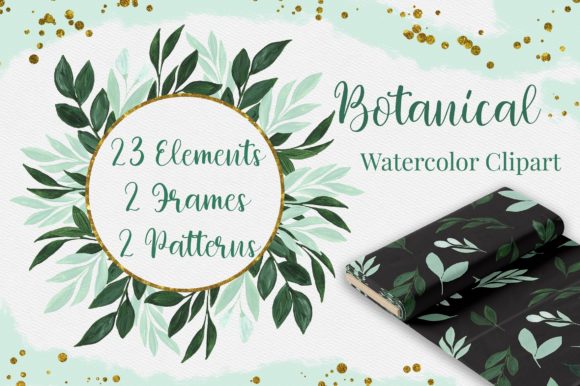
The first thing I noticed about Botanical Watercolor Clipart is the organic, hand-painted feel it brings to the table. These are not your typical flat vector graphics; instead, they have a soft, textured quality that mimics real watercolor strokes. This gives them a warm and inviting mood—perfect for brands in the health, beauty, lifestyle, and eco-friendly product spaces. The emotional tone is gentle, soothing, and approachable, which can be especially effective when trying to build trust with an audience seeking authenticity and natural solutions.
I could see these illustrations fitting seamlessly into both casual branding efforts and premium visual campaigns. For handmade products or artisanal goods, the clipart feels like a natural extension of the brand’s craftsmanship. In more polished contexts, such as editorial layouts or branded social media posts, the subtle imperfections of the watercolor style add character without compromising professionalism.
Bringing Visual Consistency to Marketing Campaigns
One of the key challenges in building a cohesive brand identity is maintaining visual consistency across all touchpoints. Botanical Watercolor Clipart offers a solution by providing a unified illustration style that can be used repeatedly in various formats. Whether you're designing packaging inserts, refreshing Instagram feeds, or creating Pinterest pins, these illustrations help reinforce a brand’s visual language while adding a personal, artistic flair.
In our mock project, we used the clipart in several ways:
- As background accents in hero banners for product launch pages
- To decorate product labels and enhance the perceived value of each item
- Within Canva templates for blog headers and email banners
- On promotional posters for seasonal events and pop-up workshops
Performance in Real-World Marketing Applications
Botanical Watercolor Clipart excels in environments where a soft, elegant visual presence is desired. It works particularly well in:
- Social media graphics: The delicate lines and muted tones complement nature-based hashtags and product photography, making the content feel fresh and curated.
- Packaging design: When layered behind product names or used as corner embellishments, the clipart enhances the tactile experience of the package without overwhelming it.
- Editorial and lead magnet content: Its artistic nature fits beautifully in e-books, newsletters, and printable guides focused on wellness, sustainability, and self-care.
- Digital ads and web headers: With careful sizing and spacing, the illustrations can serve as decorative elements that subtly guide the viewer’s eye toward key messages.
Supporting Stronger Audience Engagement
Visuals play a huge role in how audiences perceive a brand. Botanical Watercolor Clipart helps create stronger first impressions by introducing a sense of calm and creativity right from the start. This kind of illustration supports clearer visual hierarchy when placed strategically—such as using a leaf motif to frame a headline or a floral pattern to break up sections of text.
What stood out most was how these illustrations helped establish an emotional connection with the audience. The botanical theme naturally evokes feelings of growth, renewal, and harmony, which are incredibly valuable for lifestyle and wellness brands. They also contribute to improved engagement by making the content more memorable—audiences are drawn to visuals that feel unique and crafted rather than generic and mass-produced.
Where Botanical Watercolor Clipart Shines Brightest
While this design asset is versatile, it performs best in certain areas of a campaign. Here are some of the top applications where it truly shines:
- Hero graphics and campaign headers: The soft, flowing style creates a welcoming entry point for users landing on a website or opening an email.
- Product launch visuals: Using botanical illustrations adds a touch of exclusivity and elegance to unveilings, especially when paired with minimal typography.
- Branded templates and content bundles: As part of a larger set of design assets, these cliparts become essential components for creating consistent and visually rich content kits.
- Promotional banners and event flyers: Their ornamental nature makes them ideal for adding visual interest without distracting from the core message.
- Merchandise and stickers: The hand-drawn feel translates well into physical items, helping small businesses stand out in markets filled with digital-only aesthetics.
Use with Caution: When Less Is More
Despite its strengths, there are scenarios where Botanical Watercolor Clipart may not be the best fit. For formal corporate branding or highly structured information layouts, the softness of the illustrations might not hold up. Similarly, if your brand leans heavily into minimalism or modernist design principles, the watercolor texture could clash with clean lines and sans-serif fonts.
Other considerations include:
- Small mobile graphics: The intricate details may lose clarity at smaller sizes, so simplification or strategic cropping is necessary.
- Low-contrast backgrounds: Without enough contrast, the clipart can fade into the background and become less impactful.
- Text-heavy ads: If your layout requires dense copy, the illustrations should be secondary to avoid competing with the main message.
Design Notes for Brand Owners and Content Creators
If you’re planning to use Botanical Watercolor Clipart in your next project, here are a few practical tips to ensure optimal performance:
- Test against your brand color palette: These illustrations come in a variety of hues, but it’s important to choose ones that harmonize with your existing colors.
- Check black-and-white usage: While vibrant in color, some clipart may lose their definition in grayscale—ideal for printed materials or accessibility checks.
- Place inside real campaign mockups: Evaluate how they perform alongside your logo, brand fonts, and photography before finalizing any designs.
- Preview on mobile screens: Ensure that the clipart doesn’t overwhelm or distort when viewed on smaller devices.
- Test readability in small sizes: Trim unnecessary details or simplify the artwork for use in icons, thumbnails, or social media stories.
- Compare against competitor visuals: Use the clipart to differentiate your brand’s look and feel in a crowded market.
- Experiment with font pairings: These illustrations work well with serif and script fonts for a classic feel, but can also balance modern sans-serif and display typefaces when used sparingly.
- Review spacing and balance: The watercolor style often has irregular edges, so adjusting padding and alignment is crucial for professional results.
- Confirm commercial licensing: Before using the clipart in paid campaigns, client work, or business branding, verify that it includes the appropriate commercial license.
Why Botanical Watercolor Clipart Is a Must-Have Design Asset
For content creators, marketers, and small business owners looking to infuse warmth and personality into their visual strategy, Botanical Watercolor Clipart is a powerful tool. It allows for the creation of printable designs, digital product visuals, and editorial graphics that resonate with today’s audience craving authenticity and artistry.
This design asset isn’t just for decoration—it serves as a bridge between brand values and visual expression. It supports everything from small business branding to large-scale digital campaigns, offering flexibility without sacrificing style. Whether you're preparing a new Canva template or updating your media kit, these illustrations can help maintain visual consistency while elevating the overall aesthetic of your content.
Final Thoughts for Creative Entrepreneurs
After incorporating Botanical Watercolor Clipart into multiple aspects of the wellness brand’s campaign, I found it to be a strong contender in the world of graphic design assets. It’s not a one-size-fits-all solution, but when used thoughtfully, it can significantly enhance the emotional and visual impact of your work.
For those who want to explore botanical themes in their branding, this collection is worth considering. Just remember to tailor it to your specific needs, test it across different platforms, and always check the licensing terms. With the right approach, these illustrations can become a signature element of your creative toolkit—supporting your brand's voice and connecting with your audience on a deeper level.