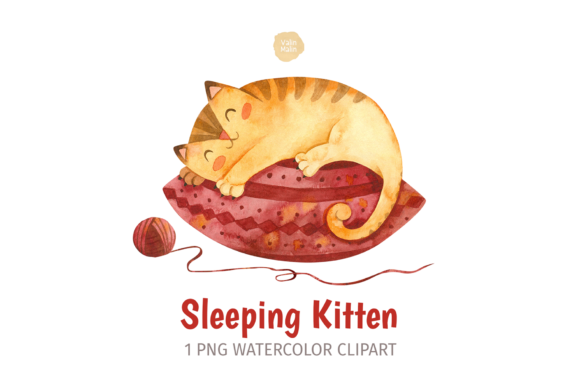
Sleeping Ginger Cat Clipart: A Delightful Addition to Editorial Illustrations
When it comes to choosing the right graphic design asset for your blog or website, first impressions matter. The Sleeping Ginger Cat, Watercolor Clipart is a standout illustration that brings warmth and whimsy into any content publishing project. As an experienced blog designer and digital publisher, I’ve tested countless visuals across platforms, and this one stands out for its charm, versatility, and ability to enhance visual storytelling.
First Impressions: Soft, Warm, and Naturally Engaging
The moment you open the file, the Sleeping Ginger Cat exudes a cozy, artistic vibe. Rendered in watercolor, it feels hand-drawn yet polished — a perfect balance between authenticity and professional quality. This illustration doesn’t scream; it whispers with color and texture. It sets a tone that’s gentle, inviting, and just a little bit nostalgic. These are powerful traits in editorial design, where the goal is often to build connection and trust from the very first scroll.
Its style naturally supports lifestyle, wellness, and pet-related niches. But don’t limit it to those categories. The soft palette and rounded lines also work well for educational content, seasonal themes, and even product launches that want to feel more approachable. The cat’s peaceful expression gives it a calming presence, which can be especially valuable when designing content around self-care, mindfulness, or home living.
Real Publishing Applications: From Blog Headers to Social Media Previews
This clipart isn’t just cute — it’s functional. Here’s how I’ve found it fitting seamlessly into various publishing workflows:
- Blog Featured Images: Pair it with a warm headline to create a welcoming hero image for lifestyle or pet care articles.
- Pinterest Graphics: The watercolor aesthetic aligns perfectly with Pinterest’s love of soft, visually rich pins. Add a few text overlays and watch the engagement climb.
- Newsletter Headers: Use it as a subtle accent in your email headers to reinforce brand identity without overwhelming readers.
- Digital Guides & Lead Magnets: Incorporate it into free downloadable resources like "5 Tips for Creating a Cozy Home" or "The Ultimate Guide to Self-Care Routines."
- Canva Templates: Integrate it into custom Canva templates for social media posts, quotes, or infographics that need a touch of personality.
- Website Banners: Ideal for category thumbnails or landing pages focused on comfort, relaxation, or creative hobbies.
- Article Headers: Place it at the top of long-form content to signal a lighthearted or educational tone.
What I appreciate most is how it elevates the visual hierarchy of a page. In a sea of stock photos and flat vector graphics, this illustration adds depth and emotion — two key ingredients for stronger reader engagement.
Supporting Content Performance Through Visual Communication
Strong visuals are the backbone of content marketing. When used correctly, the Sleeping Ginger Cat, Watercolor Clipart can significantly boost the performance of your assets by:
- Creating a stronger first impression: Its warm colors and soft edges immediately make content feel more human and relatable.
- Improving click-through potential: Especially on Pinterest and Instagram, this kind of illustration encourages curiosity and interaction.
- Enhancing brand consistency: Repeated use across blog posts, newsletters, and social media builds a cohesive and recognizable visual identity.
- Boosting reader trust: The handmade, non-mechanical look of watercolor illustrations conveys authenticity and attention to detail.
- Strengthening category recognition: If your blog focuses on pets, home life, or self-care, this graphic reinforces that niche clearly and effectively.
In affiliate marketing or content upgrades, this kind of visual cue helps signal value. Readers know they’re clicking on something crafted with care — not just another template-heavy post.
Where This Illustration Shines Brightest
Here are the top use cases where this clipart truly excels:
- Hero images: Use it behind or beside a headline to add character to your homepage or article landing pages.
- Category thumbnails: It works beautifully as a background element in a “Pet Care” or “Relaxation Hacks” section.
- Printable designs: Think morning affirmations, journal prompts, or DIY pet calendars. The watercolor style adds a personal touch.
- Editorial accents: Perfect for breaking up dense text or highlighting a quote within an article.
- Lead magnets: Include it in PDF guides, worksheets, or free printables to give them a more premium appearance.
- Social media previews: Boost your visibility on platforms like Facebook or LinkedIn with engaging, shareable visuals.
It’s particularly effective in digital products that aim to feel less corporate and more community-driven. For creative entrepreneurs and small business owners looking to differentiate their content, this illustration is a great way to stand out with a softer, more approachable design language.
Use with Caution: Not All Contexts Are a Match
While the Sleeping Ginger Cat, Watercolor Clipart is incredibly versatile, there are situations where it might not be the best fit:
- Small mobile thumbnails: The intricate details may get lost at lower resolutions.
- Text-heavy blog images: Overloading the graphic with too much text could dilute its impact and readability.
- Low-contrast backgrounds: Avoid placing it against similarly soft or muted tones unless you plan to highlight it with framing or contrast layers.
- BUSY layouts: Let it breathe. Don’t force it into overcrowded sections where it might get visually buried.
- Serious professional niches: While it can work in many industries, it may not suit highly technical or corporate environments where minimalism reigns supreme.
If your brand identity leans toward sleek modern design, consider using it sparingly or as part of a layered composition. It's a decorative piece, not a minimalist one — but that doesn’t mean it lacks professionalism. Quite the opposite: it brings emotional intelligence to your web design and content presentation.
Practical Notes for Real-World Implementation
Before finalizing the use of any design asset, it's essential to test it thoroughly in real-world scenarios. Here are my top tips for integrating the Sleeping Ginger Cat, Watercolor Clipart into your workflow:
- Test on desktop and mobile: Ensure it looks good across all devices, especially since responsive design is a core part of today’s web experience.
- Check thumbnail performance: Resize it down to see if it still holds its charm in smaller formats like Instagram Stories or feed cards.
- Preview in a real blog layout: See how it interacts with other elements such as headlines, buttons, and sidebars.
- Try different font pairings: It pairs well with both serif and sans-serif fonts, but avoid overly bold or script styles unless you're aiming for a playful mood.
- Review file size: Optimize the image before upload to maintain fast loading times and SEO-friendly performance.
- Confirm commercial licensing: Make sure the clipart is available under a commercial license if you plan to use it on monetized sites, affiliate links, or paid digital downloads.
I recommend experimenting with it in black and white versions to see how it translates in grayscale, especially for print materials or monochrome branding schemes. You’ll also find it shines next to handwritten or display fonts in creative marketplace-style designs or digital guides that focus on artistry and lifestyle.
Final Thoughts: A Versatile Tool for Creative Designers
The Sleeping Ginger Cat, Watercolor Clipart is more than just a pretty picture — it’s a strategic illustration asset that can help shape the mood and message of your content. Whether you're working on a new blog header, crafting a social media graphic, or designing a lead magnet, this illustration has the potential to elevate your visuals and connect with your audience on a more personal level.
For those of us who manage website banners, editorial layouts, and newsletter graphics, having a reliable set of high-quality Illustrations in our toolkit is invaluable. This one checks all the boxes — it’s charming, emotionally resonant, and ready to support your next digital product or content campaign.
Just remember: while it’s a delightful addition to many projects, always consider the context and purpose. Use it where it enhances, rather than distracts, and your content will thank you for it.