Turntable Vintage Watercolor: A Designer’s Honest Take
As an embroidery designer and product reviewer with years of hands-on experience, I’m always on the lookout for digital embroidery files that not only look good in theory but also translate well into real-world projects. Recently, I tested Turntable Vintage Watercolor, a design that immediately caught my eye with its nostalgic charm and artistic flair. This isn’t just another retro-style illustration—it’s a thoughtful piece that brings warmth and character to a variety of handmade and commercial items.
First Impressions and Design Personality
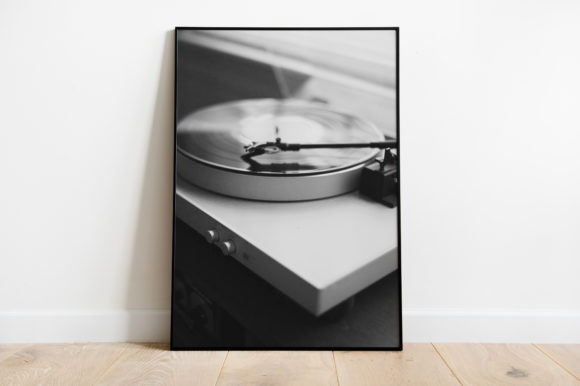
The moment I opened the Turntable Vintage Watercolor file, I was drawn in by its soft, dreamy aesthetic. The watercolor technique gives it a gentle, hand-painted quality that feels both vintage and timeless. The design features a classic turntable or record player rendered in muted tones with subtle shading and texture—perfect for those who want to add a touch of analog nostalgia without overpowering their project.
Visually, this design has a calm and elegant mood. It doesn’t shout; instead, it invites attention with its delicate details. The layout is balanced, with the central turntable framed by floral elements and script-like flourishes. The detail level is just right—not too intricate to lose definition in stitching, yet rich enough to feel authentic and high-quality.
Where It Shines
I used this design for a custom sweatshirt embroidery project, aiming to create a personalized gift for a music-loving friend. The satin stitch around the turntable frame gave it a polished edge, while the fill stitch areas held the watercolor effect surprisingly well. The colors blended beautifully, especially when using variegated threads, giving the finished product a more painterly appearance than most machine embroidery designs achieve.
- Tote bag design: The scale worked well on a medium-sized tote, adding a sophisticated accent without overwhelming the fabric.
- Apron embroidery: Placed near the waistband, the design added a decorative touch that felt cohesive with the overall style.
- Holiday gifts: When stitched onto a tea towel, the vintage vibe made it ideal for a cozy Christmas gift set.
- Boutique branding: For a small shop owner, this design could serve as a signature motif on pillow covers or baby clothes, enhancing brand recognition with its unique personality.
What stood out was how versatile the machine embroidery design felt across different applications. Whether I imagined it on a custom apparel item like a hoodie or as part of nursery decor, it maintained its visual appeal and stitched cleanly without distortion.
Real-World Performance and Practical Considerations
In real-life embroidery scenarios, Turntable Vintage Watercolor performed admirably. The key to success, however, lay in careful preparation. Here are some insights from actual use:
- Thread color contrast: While the original palette works well on light fabrics, I recommend testing thread colors on your chosen background. On darker textiles, the watercolor effect can get muted unless you choose bold or contrasting hues.
- Stabilizer use: Because of the layered textures in the design, using a tear-away stabilizer wasn’t enough. I switched to a cut-away stabilizer for heavier garments like denim or canvas, which helped maintain clarity and prevented puckering.
- Stitch density: The fill areas were moderately dense, which is great for avoiding excessive bulk but still preserving shape. However, if you’re working on a thin fabric or a garment that will be washed frequently, consider adjusting the stitch density slightly to prevent stretching or loosening over time.
- Hoop size: Though the design isn’t overly large, I noticed that smaller hoop sizes required trimming unnecessary whitespace carefully. Otherwise, the edges of the design could get lost in the hoop area.
- Fabric texture: Textured fabrics like flannel or linen can alter the final look. I found that stitching on cotton blends gave the best balance between definition and softness.
Customer Reactions and Market Fit
After showing the finished sweatshirt to friends and fellow crafters, the response was overwhelmingly positive. People appreciated the subtle elegance and the way it evoked a sense of personalization. As an embroidered patch idea, it would work beautifully for handmade products like backpacks or denim jackets, especially when paired with other vintage motifs.
For Etsy sellers and small shop product creators, this design can elevate the perceived value of your items. Its artistic nature makes it stand out in a sea of generic logos and fonts, which can increase buyer engagement and customer trust. In fact, one potential client even asked me to replicate the look for a boutique clothing line focused on retro-inspired fashion.
When to Use Turntable Vintage Watercolor with Caution
While this design is a strong contender for many projects, there are a few situations where extra care is needed:
- Small hoop sizes: If you're planning to stitch this on something like a cap or hat, make sure to adjust the design proportionally and check how the fine lines hold up under tight spacing.
- Stretchy or thin fabrics: These materials can cause slight distortion, especially in the curved parts of the turntable. Test on a scrap first to avoid surprises.
- Dense stitch areas: The center of the design has several fill sections. On stretchy or loosely woven fabrics, these might cause pulling if not stabilized properly.
- Dark backgrounds: Unless you’re using metallic or bright-colored threads, the design may lose its visual impact on darker materials. A black and white mockup test is essential here.
- Products needing frequent washing: Due to the moderate stitch density, I’d recommend reinforcing the design or using sturdier fabric types for items like baby clothes or kitchen towels.
Design Notes for Embroidery Projects
Here are a few tips I picked up during my evaluation of Turntable Vintage Watercolor that might help you integrate it into your own embroidery project:
- Always test the design on scrap fabric before committing to a final piece. Especially with detailed illustrations, every machine and fabric behaves differently.
- Review the stitch density settings for each section. Some parts may need a bit more compression depending on the fabric type.
- Confirm the hoop size requirements, as some machines have limitations that affect how the design lays within the stitching field.
- Inspect the tiny lettering and floral accents. They stitch clearly but can become fuzzy if the needle or tension isn't optimized.
- If you plan to use this as a printable mockup or digital preview for your Etsy listings, make sure the resolution is high enough to reflect the stitched result accurately.
Final Thoughts for Craft Business Owners and Designers
Turntable Vintage Watercolor is more than just a pretty picture—it’s a functional embroidery file that can enhance your design assets with minimal effort. Its watercolor aesthetic adds a layer of sophistication and artistry that's rare in machine embroidery, making it suitable for both personalized gifts and commercial embroidery applications.
That said, don’t underestimate the importance of preparation. This design requires a bit of finesse to shine at its best. As a seasoned embroiderer, I’ve learned that no matter how beautiful a digital embroidery file looks on screen, the true test comes when it meets the needle and thread.
If you're looking to add a refined, artistic touch to your handmade product range, or if you want a standout motif for your craft business branding, this design is worth considering. Just remember to take the time to evaluate how it fits your specific needs and materials. With the right approach, Turntable Vintage Watercolor can become a trusted staple in your creative toolkit.
A Quick Checklist Before Stitching
- Check the thread colors against your fabric background.
- Test the design on a sample of your intended material.
- Adjust stitch density and running stitch settings for optimal results.
- Ensure you’re using the correct stabilizer for your fabric type.
- Verify whether the design is licensed for commercial embroidery use before selling any finished product.
By following these steps, you’ll not only ensure better stitching outcomes but also protect your business from potential legal issues. Remember, the goal is to bring your vision to life while maintaining professionalism and consistency in your work.