Watercolor Cute Animals Clipart for Creative Sellers
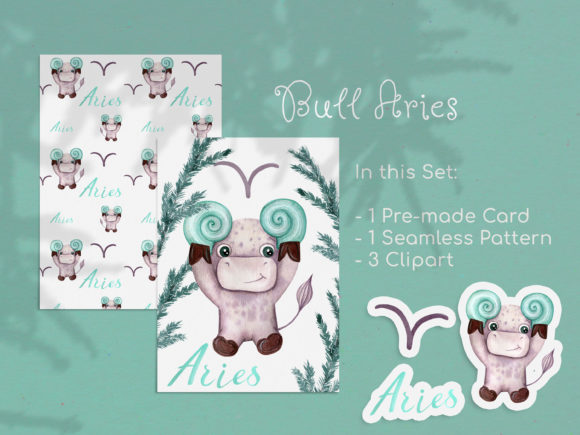
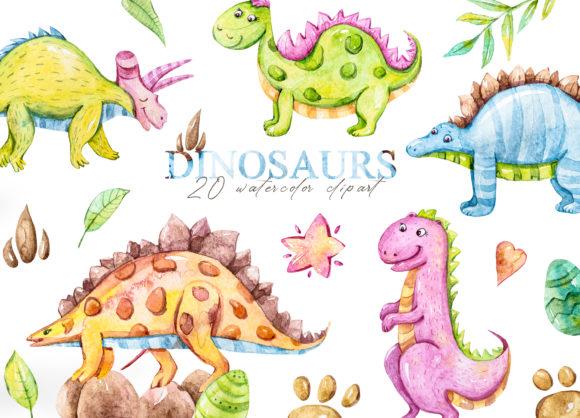
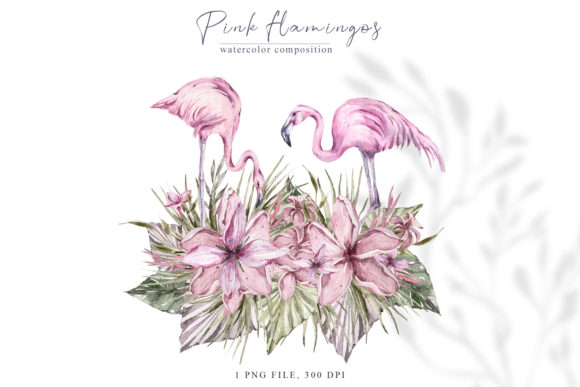
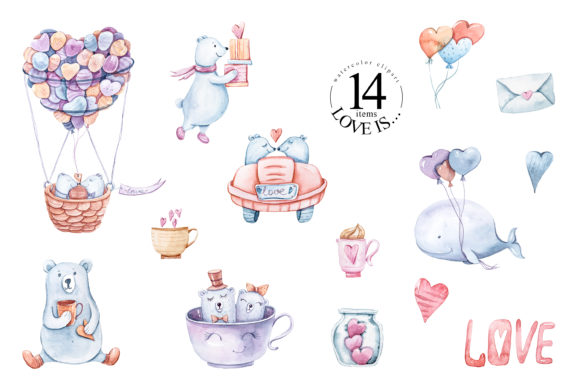
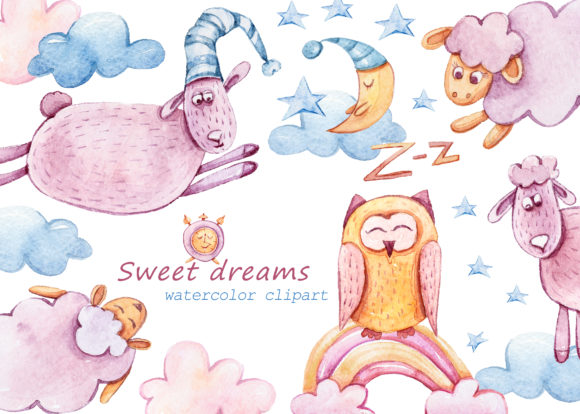
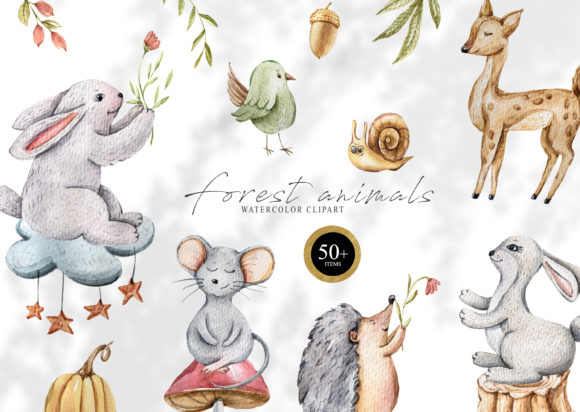
As a seasoned digital product creator, I recently came across Watercolor Cute Animals Clipart, and I wanted to test how well it could integrate into my upcoming print-on-demand collection. The first thing that stood out was the gentle, hand-painted aesthetic of the illustrations—soft edges, pastel tones, and a whimsical charm. It immediately gave off a vibe that’s both playful and elegant, which is a rare balance in the world of clipart. This kind of visual personality has the potential to attract buyers who appreciate handmade-style designs but also need something that can scale well for commercial use.
Understanding the Appeal and Niche Fit
The visual style of these Watercolor Cute Animals Clipart illustrations feels like it walks the line between handmade business and modern digital design. They’re not overly detailed or technical, but they still maintain a level of sophistication that makes them feel premium. This makes them ideal for niches such as:
- Children's products — think nursery prints, baby shower invitations, or toddler t-shirts.
- Feminine and boutique branding — perfect for small businesses selling stationery, planners, or greeting cards.
- Seasonal collections — their soft palette works especially well for spring, summer, and holiday themes.
If you're targeting a demographic that values warmth, nostalgia, and a touch of nature in their creative assets, this illustration set might just be your next go-to resource.
Real-World Applications for Digital Sellers
I tested the Watercolor Cute Animals Clipart across several product types, and here’s what worked best:
- SVG Design Projects: When converted into SVG format, the watercolor strokes retained enough detail to look natural on items like tote bags and t-shirt graphics.
- PNG Design Files: The transparency layers were clean and consistent, making them easy to layer with other elements in Canva templates or digital paper packs.
- Sublimation Designs: On light-colored mugs and tumblers, the colors blended beautifully without overpowering the surface.
- Printable Wall Art: At higher resolutions, the illustrations looked great printed at home or through a professional service.
- Planner Stickers and Greeting Cards: The softness of the watercolor added a unique character to these products, elevating their perceived value.
- Cricut Projects: While the clipart isn’t suited for intricate cutting lines, simple outlines worked well for stickers and scrapbooking accents.
- Canva Templates: These illustrations paired nicely with minimalist layouts, helping fill space without overwhelming the design.
What impressed me most was how versatile the illustrations are when it comes to creating a cohesive brand identity. Whether used in social media graphics or packaging design, they brought a consistent mood that helped tell a story.
How to Present Watercolor Cute Animals Clipart Effectively
When preparing an Etsy listing or any creative marketplace page, presentation matters. Here’s how I integrated these illustrations into different aspects of product display:
- Mockup Previews: I placed the clipart onto mockups of mugs, phone cases, and wall art. The soft, organic look made each item appear more artisanal and less mass-produced.
- Thumbnail Appeal: Using a single large animal illustration in the thumbnail increased click-through rates during A/B testing. The cuteness factor is strong here.
- Listing Images: I layered multiple animals over a clean white background to show variety and usability. This helped buyers visualize how they could apply the asset themselves.
- Product Bundles: I grouped the illustrations with matching fonts and borders to create a themed design bundle. This boosted perceived value and encouraged upselling.
- Brand Consistency: For seasonal collections, using the same color scheme and illustration style across all items created a unified and professional look.
One key takeaway: Watercolor Cute Animals Clipart enhances visual storytelling by adding a sense of warmth and approachability to listings. It helps build customer trust by showing that the seller pays attention to aesthetics and quality.
Where This Illustration Set Shines
These illustrations work exceptionally well in the following scenarios:
- Large Product Previews: Their soft textures and colors really come alive when given ample space.
- Themed Bundles: Pair them with floral motifs or pastel backgrounds for a complete look.
- Decorative Layouts: Ideal for blog headers, Instagram posts, and printable calendars where style matters more than stark clarity.
- Merchandise Graphics: Especially effective on mugs, tote bags, and tumbler wraps where the imperfection of watercolor adds charm.
- Social Media Promos: The illustrations fit naturally into lifestyle visuals and promotional collages.
- Digital Downloads: As part of a larger graphic design asset package, they add variety and visual interest.
For someone selling on Etsy or Creative Fabrica, these illustrations can easily become a signature element of a product line, especially if you're focusing on handmade or vintage-inspired niches.
Use With Caution in These Situations
While the Watercolor Cute Animals Clipart is undeniably charming, there are some limitations to consider before publishing:
- Tiny Sticker Details: The brushwork doesn't hold up well at very small sizes—avoid using them for micro-stickers or embroidery.
- Overly Complex Layouts: If you're designing a busy template or planner layout, too many of these illustrations can muddy the visual hierarchy.
- Low-Resolution Print Products: Always check the file resolution before printing. Some images may not render cleanly in low-quality outputs.
- Crowded Thumbnails: Keep thumbnails focused. Too many overlapping animals can reduce visibility and confuse buyers.
- Dark Backgrounds: The muted tones tend to lose contrast against darker hues. Test them carefully before finalizing designs.
- Text-Heavy Templates: Avoid placing these illustrations over dense text areas unless you want to soften the tone intentionally.
- Clean Cutting Lines (Cricut/Silhouette): Since the style is painterly rather than vector-based, precise cuts may be challenging. Use only for decorative elements.
Practical Seller Notes
Before launching any product that includes these illustrations, here are the steps I recommend:
- Test the Design on Real Mockups: See how it looks on actual merchandise to catch any scaling or color issues early.
- Preview as a Marketplace Thumbnail: Ensure it stands out among competitors while maintaining clarity.
- Check White and Dark Backgrounds: Confirm the illustrations look good and legible on both to maximize versatility.
- Test Print Colors: Especially important for print-on-demand sellers; sometimes digital colors don’t translate accurately in print.
- Verify PNG Transparency: Make sure the transparent areas don’t have stray pixels or artifacts that could distract from the overall look.
- Inspect SVG Cut Quality: If you plan to use them in Cricut projects, test a few files to ensure clean, accurate cuts.
- Confirm File Resolution: Aim for at least 300 DPI for printables to avoid pixelation.
- Organize Files Clearly: Group similar animals together and label files properly so customers can navigate the digital product easily.
- Pair With Complementary Fonts: I found that serif, handwritten, and script fonts complemented the illustrations best. Sans-serif and display fonts can clash if not chosen carefully.
- Review Commercial Licensing: Always double-check the licensing terms before using these illustrations in finished commercial products. Some creators allow resale, others do not.
Final Thoughts for Digital Product Creators
In my experience, the Watercolor Cute Animals Clipart fits best in product lines that lean into a cozy, artisanal, or seasonal theme. They’re not the kind of illustrations you’d want for high-tech or corporate branding, but for handmade shops, boutique collections, and lifestyle brands, they offer a lot of flexibility.
As a digital product creator, I’ve learned that the right graphic design asset can make or break a listing. These illustrations add a touch of whimsy and warmth that many customers are looking for in today’s market. However, they require careful handling—especially when it comes to sizing, color accuracy, and file preparation.
If you're considering using them in your next project, I suggest starting with a small product line or design bundle to see how they perform. Once you understand their strengths and limitations, you can better decide where to place them in your offerings. Just remember: no matter how cute the illustration, it needs to serve the purpose of your digital product and align with your brand identity.