Watercolor White Flowers: A Versatile Illustration for Content Creators
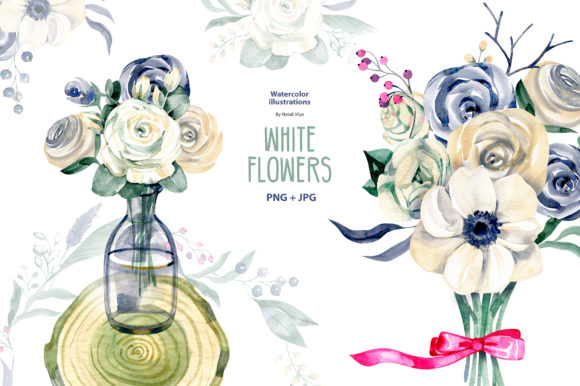
As an experienced blog designer and digital publisher, I always look for graphic design assets that elevate the visual storytelling of content. When I first encountered Watercolor White Flowers, I knew it had potential. The soft, delicate strokes and organic shapes immediately set a tone of elegance and simplicity — perfect for editorial illustrations that need to blend subtlety with style.
Eliciting a Soft Editorial Mood
This illustration naturally supports a lifestyle or wellness niche, where the mood is calm and inviting. It feels feminine without being overly decorative, artistic but grounded in modern aesthetics. Whether you're creating a blog post about self-care, a digital guide on spring gardening, or a newsletter focused on mindfulness, Watercolor White Flowers can subtly reinforce the theme without overwhelming the message.
The white color palette adds a sense of purity and minimalism, which is especially effective for seasonal or educational content. For example, using it as a background element in a digital download like a printable gratitude journal can enhance the perceived value of your product by making it feel handcrafted and intentional.
Real-World Publishing Use Cases
Watercolor White Flowers offers a surprising amount of flexibility for various publishing needs. Here are some of the most impactful ways I've used this illustration asset in my workflow:
- Blog Featured Images: Its gentle aesthetic pairs well with soft pastel backgrounds and minimalist layouts. It’s ideal for topics like beauty, fashion, or personal development.
- Pinterest Graphics: The floral details add enough visual interest to make pins stand out, while maintaining a clean enough look for easy text overlay.
- Article Headers: Used as a subtle border or background texture, it enhances readability by separating sections with a touch of natural artistry.
- Newsletter Banners: When placed beside a headline in a serif or script font, it adds a refined, trustworthy feel to your communication.
- Lead Magnets and Digital Guides: Ideal for downloadable resources such as worksheets or planners, especially when targeting women's lifestyle or creative niches.
- Website Banners: Can serve as a hero image or header graphic on landing pages related to wellness, home décor, or botanical themes.
- Media Kits and Branding Materials: Adds a touch of sophistication to brand collaterals or influencer media kits, especially when paired with a modern sans-serif font.
Supporting Content Performance
Incorporating Watercolor White Flowers into your visuals isn't just about aesthetics — it's also about performance. Here’s how it can help:
- Stronger First Impressions: The soft watercolor effect evokes warmth and approachability, encouraging readers to engage with your content from the start.
- Clearer Visual Hierarchy: Because it doesn’t demand attention, it works well as an accent rather than a focal point, helping maintain balance in your layout.
- Better Click-Through Potential: On platforms like Pinterest or Instagram, the organic appeal of the illustration increases the likelihood that users will click through to your site.
- More Consistent Branding: When used across multiple content formats, it reinforces a cohesive brand identity that feels authentic and curated.
- Improved Reader Trust: In niches like health or spirituality, the naturalistic style builds trust and suggests a more thoughtful, artisanal approach to content.
- Stronger Visual Identity: Helps distinguish your blog or website from generic templates by offering a unique yet accessible design language.
- Professional-Looking Pages: Even when paired with basic fonts or layouts, the illustration adds a layer of polish that makes your content feel more premium.
Where This Design Asset Shines
Here are the best use cases where Watercolor White Flowers truly comes alive:
- Hero Images: Especially when layered behind bold headlines, it adds depth without distraction.
- Article Thumbnails: Works great for preview images in category listings or blog archives.
- Editorial Accents: Perfect for sidebar widgets, pull quotes, or floating elements in long-form content.
- Content Upgrades: Enhances free resources like checklists or PDFs by giving them a hand-drawn, high-value appearance.
- Printable Designs: Great for calendars, planners, or guided journals where the design should be soothing and not too busy.
- Canva Templates: Easily integrated into custom templates for social posts or blog headers, especially for those who want to avoid stock photography clichés.
Where to Use It Carefully
While Watercolor White Flowers is versatile, there are situations where its delicate nature may not perform optimally:
- Small Mobile Thumbnails: The intricate details may get lost at lower resolutions.
- Text-Heavy Blog Images: Too much floral detail could reduce legibility if not balanced properly with negative space.
- Low-Contrast Backgrounds: Needs sufficient contrast to remain visible and readable.
- BUSY LAYOUTS: Avoid using it in environments with many competing elements; it's best suited for simpler compositions.
- Serious Professional Niches: May not align with corporate branding unless softened or used sparingly.
- Minimalist Web Designs: Could clash with ultra-clean aesthetics unless intentionally incorporated as a brand signature.
Practical Tips for Publishers
Before finalizing Watercolor White Flowers for your next project, here are some key steps to ensure optimal results:
- Test on Desktop and Mobile Screens: Make sure the illustration remains visually appealing and functional across all devices.
- Check Thumbnail Quality: Preview how it looks when compressed or resized for smaller formats like Twitter cards or YouTube thumbnails.
- Preview Inside Real Blog Layouts: See how it interacts with your existing grid system and color scheme.
- Test with Headline Text: Try different fonts (serif, sans serif, script, handwritten, display) to find the right pairing for maximum impact.
- Review Contrast and Readability: Ensure that any text placed over the illustration is still clear and easy to read.
- Try in Black and White: Sometimes converting to grayscale can reveal how well the illustration stands on its own without color.
- Optimize File Size: Compress the image appropriately to maintain fast web performance, especially for blogs or websites with high traffic.
- Confirm Commercial Licensing: If planning to use it on monetized sites, affiliate marketing pages, or paid digital products, double-check the licensing terms to avoid legal issues.
Enhancing Your Content Strategy
From a content marketing standpoint, Watercolor White Flowers serves as a reliable graphic design asset that adds personality without noise. It’s particularly useful in affiliate marketing projects where the goal is to build emotional connection and trust. When designing a lead magnet for a yoga blog or a meditation app, this illustration can create the right ambiance quickly and effectively.
For small business owners and creative entrepreneurs looking to establish a strong visual hierarchy and consistent brand identity, this illustration is a solid choice. It allows you to infuse creativity into your website headers, social media graphics, and editorial designs without compromising professionalism.
Final Thoughts for Content Publishers
Design assets like Watercolor White Flowers don’t just fill space — they shape perception. As someone who frequently works with blog layouts and editorial content, I’ve found that this illustration brings a fresh, artistic edge to otherwise standard templates. It's not just another design from a creative marketplace; it's a tool that helps your content breathe and connect.
If you're aiming to craft a modern yet warm visual identity for your blog or digital products, consider integrating Watercolor White Flowers into your next batch of blog graphics, digital downloads, or social media visuals. Just remember to pair it thoughtfully and test it thoroughly before launch. With the right approach, this illustration can become a cornerstone of your content publishing toolkit.