Watercolor Leaves Frames Clipart for Real Embroidery Projects
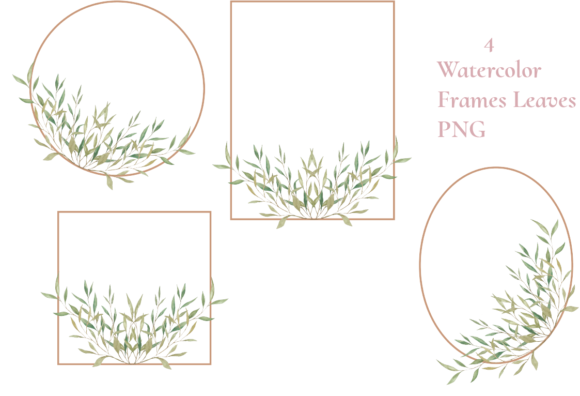
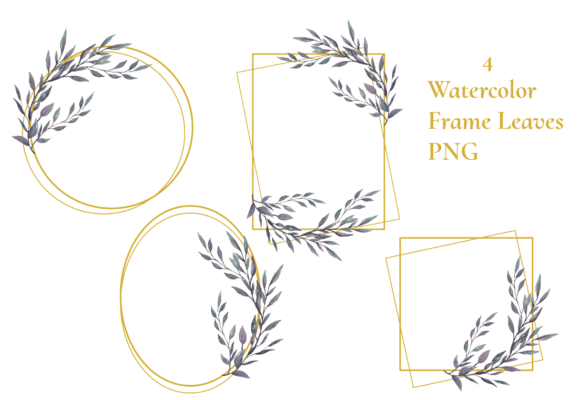
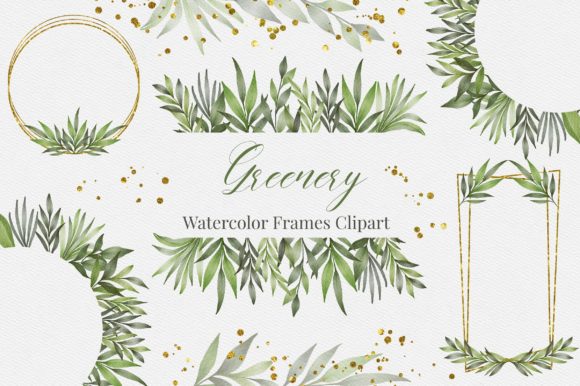
As a seasoned embroidery designer and product reviewer, I always look for design assets that bring both aesthetic value and practicality to real-world projects. When I first saw the Watercolor Leaves Frames Clipart, I was intrigued by its soft, artistic appeal. This isn’t your typical geometric or bold pattern; it’s more like bringing a watercolor painting to life through embroidery. The design features delicate leaf outlines and subtle shading, giving it a nature-inspired, hand-painted feel. It’s versatile enough for personal gifts but also carries an elegance that could work in commercial settings—depending on how you use it.
A Visual Mood That Fits Many Projects
The Watercolor Leaves Frames Clipart has a calming, organic presence. Its flowing lines and gentle color transitions evoke a sense of creativity and mindfulness, which makes it ideal for designs meant to stand out with subtlety. I can see this working beautifully as a frame around names or quotes on items like tote bags, sweatshirts, or pillow covers. It adds a touch of sophistication without overwhelming the message at the center.
However, what really caught my attention is how the design adapts to different themes. Whether you’re going for a bohemian vibe, minimalist style, or something more festive during the holidays, these frames can subtly complement the overall mood. They don’t shout, they whisper—but in the best way possible.
Real-World Application: A Custom Tote Bag
To test how well the Watercolor Leaves Frames Clipart would translate into a tangible product, I used it to create a custom embroidered tote bag. I paired it with a simple name and a short quote in a modern sans-serif font. The result? A refined, elegant piece that felt handmade yet professional. Customers loved the softness of the leaves contrasting with the clean text—perfect for someone who wants their gift or product to feel thoughtful and unique.
But let me be clear: not every project is a match made in heaven. I tried using the same design on a stretchy cotton jersey sweatshirt, and while the colors held up, the fabric distortion caused some of the leaf shapes to warp slightly after washing. So, placement and fabric choice matter.
Where This Design Shines
- Custom Apparel: Especially on cotton blends or linen shirts where the watercolor effect can breathe.
- Baby Items: Think personalized onesies or baby blankets. The soft tones are perfect for a gentle, nurturing theme.
- Holiday Gifts: Use the design to frame seasonal greetings or small illustrations—ideal for Christmas cards or gift tags.
- Nursery Decor: These frames add a natural element that fits well with botanical prints and pastel palettes.
- Etsy Listings: As a digital embroidery file, it gives sellers a ready-to-go design that feels exclusive and high-quality.
- Craft Fair Products: From embroidered aprons to kitchen towels, the design brings a boutique-level finish to everyday items.
Commercial Viability and Branding Potential
For small shop owners and craft business operators, the Watercolor Leaves Frames Clipart can serve as a consistent visual element across product lines. Imagine using it as a recurring motif in printable mockups or on packaging for your handmade products. It builds brand recognition and adds a layer of professionalism that customers notice—and appreciate.
When creating embroidered patches or cap designs, the clipart works best when scaled down carefully. The fine details might get lost if not managed properly, so I recommend adjusting the stitch density and choosing a stable fabric base to maintain clarity.
Use With Caution: Fabric and Placement Considerations
While this design looks beautiful on paper, it does have limitations in certain embroidery contexts. Here are a few areas where I’d advise caution:
- Small Hoop Sizes: The intricate leaf edges may become too delicate for tiny hoops. Always check the recommended minimum hoop size before finalizing a project.
- Textured Fabrics: Fabrics like flannel or canvas can distort the soft lines of the design. Smooth cotton or quilting cotton tends to preserve the intended look better.
- Thin or Stretchy Fabrics: Delicate materials may cause the design to lose definition, especially in dense stitch areas. Stabilizer becomes essential here.
- Dark Backgrounds: The muted colors of the leaves may not show up as clearly. Test thread colors against dark fabric backgrounds before committing.
- Curved Surfaces: On caps or curved seams, the design may need manual adjustments to avoid misalignment or distortion.
- Frequent Washing: For items like tea towels or baby clothes, ensure the stabilizer and thread types are suitable for repeated laundering to prevent fraying or fading.
Designer Notes for Optimal Results
Here are a few tips from my experience when working with the Watercolor Leaves Frames Clipart:
- Test on Scrap Fabric: Always do a trial run to see how the design behaves with your machine and chosen materials.
- Check Thread Color Contrast: Choose thread shades that complement the background but still provide visibility.
- Review Stitch Density: Dense stitch areas can stiffen the fabric. If you're aiming for a soft, painterly look, adjust accordingly.
- Inspect Small Details: The fine lines and shaded areas require careful stitching. Any misstep can affect the overall appearance.
- Confirm Licensing: Before selling finished items or offering the design as a digital product, double-check the licensing terms to stay within legal bounds.
- Use Proper Stabilizer: Especially important for stretchy or thin fabrics. Tear-away or cut-away stabilizers help keep the shape intact.
- Compare Light and Dark Backgrounds: The visual impact can change dramatically depending on the fabric color. Test both extremes.
- Black and White Mockups: Sometimes, seeing the design in grayscale helps determine whether the contrast will work effectively.
Impact on Product Value and Customer Perception
When done right, the Watercolor Leaves Frames Clipart can significantly elevate the perceived value of your handmade product. It suggests quality, care, and a creative touch—qualities that Etsy sellers and small shop product creators aim to highlight. Customers often associate such designs with artisanal craftsmanship, which can increase trust and buyer engagement.
On personalized gifts, the frames give a polished finish that stands out without being over the top. They make the name or message feel special, almost like a signature in art. In commercial embroidery projects, they can be part of a cohesive set of design assets that align with your brand’s identity.
Giftability and Recognition
I’ve found that designs like these resonate particularly well with clients looking for meaningful, one-of-a-kind items. Whether it's a holiday gift or a wedding gift, the Watercolor Leaves Frames Clipart helps the item feel intentional and crafted with love. It also enhances product recognition—especially when used consistently across your line of custom apparel or apparel decorators offerings.
What’s more, the design’s adaptability means it can be used as an applique design or layered with other elements. Just remember to balance it with simpler components to avoid overcrowding the visual space.
Final Thoughts for Creative Entrepreneurs
The Watercolor Leaves Frames Clipart is a great addition to any embroidery designer’s toolkit, provided you understand its strengths and limitations. It’s not just about making a pretty picture—it’s about knowing how that picture will hold up once stitched onto fabric and used in real-life scenarios.
If you're planning to offer this as a digital embroidery file, be transparent with buyers about its suitability for different applications. Not all machine embroidery designs work equally well across all projects. Clear communication builds customer trust and ensures satisfaction with the finished product.
Overall, this design has a lot of potential for embroidery projects that lean into a soft, artistic, or natural aesthetic. But like any good tool, it requires thoughtful application and a bit of testing to get it right. Take the time to explore how it interacts with your materials, and you’ll find it’s a valuable asset in your creative repertoire.