Watercolor Rosegold Frames Leaves Review for Real Projects
As an embroidery designer who regularly evaluates digital embroidery files for both personal and commercial use, I always look for a balance between visual charm and technical feasibility. The Watercolor Rosegold Frames Leaves design caught my attention with its soft aesthetic and elegant color palette, but how does it really perform when applied to real-world projects? Let’s take a closer look at this illustration-based machine embroidery design from the perspective of practical application, stitching behavior, and customer appeal.
A First Glance: Mood and Design Language
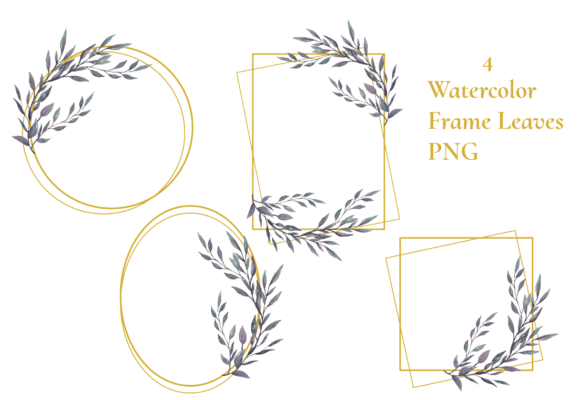
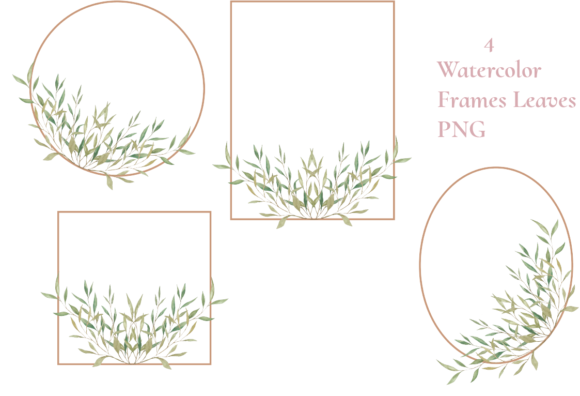
The moment I opened the digital embroidery file, I was struck by the gentle, hand-painted feel of the Watercolor Rosegold Frames Leaves. It’s clear that the design is rooted in the Illustrations category — it brings a sense of artistry and warmth that feels more like a curated piece than a standard stitch pattern. The rose gold tones add a subtle shimmer without being overwhelming, while the watercolor washes give the leaves a soft, organic texture. This creates a mood that’s romantic, refined, and just a touch whimsical.
Visually, the layout of the frames and leaves suggests a decorative border or accent rather than a standalone motif. The design has enough detail to stand out but doesn’t demand too much space. For someone looking to elevate their handmade product with a bit of sophistication, this could be a perfect fit. It naturally aligns with holiday gifts, nursery decor, and custom apparel where a delicate, artistic touch is appreciated.
Where It Fits Best
- Tote bag design: The frames work beautifully as corner accents on a cotton tote, especially if paired with minimal text or another subtle graphic.
- Sweatshirt embroidery: On a cozy pullover made of medium-weight fleece, the design adds a touch of elegance without appearing too busy.
- Baby items: A small embroidered leaf frame around a name or date on a baby blanket or onesie gives a personalized, luxurious feel.
- Pillow covers: When placed near the edge of a pillowcase, the leaves can serve as a soft, artistic border.
- Holiday gift tags or personalized gifts: The watercolor style pairs well with handwritten sentiments or small logos.
Stitching Behavior and Fabric Considerations
In terms of stitch types, the machine embroidery design uses a mix of satin stitch for outlines and fill stitch for the inner details of the leaves. The running stitch elements are sparse but used effectively to mimic brush strokes. This combination allows the design to retain its painterly quality while remaining relatively manageable for most home embroidery machines.
However, there are some nuances to consider. Because of the soft gradients and fine lines, the design requires a stable base to avoid distortion. I recommend using a cutaway or tear-away stabilizer depending on your fabric choice. Thinner or stretchier fabrics may not hold up well under the weight of the metallic threads in the rose gold sections, so test carefully before committing to production runs.
I also noticed that the thread colors include a few light metallic shades, which are great for adding depth but can fade or tarnish over time if exposed to frequent washing. That said, they’re ideal for one-time-use items like embroidered patches or gift bags.
Use With Caution On:
- Small hoop sizes: The design contains several small, detailed elements that might get lost in tight spaces.
- Textured or stretchy fabrics: These can cause the satin stitches to pucker or lose clarity.
- Dark fabric backgrounds: The light rose gold and pastel hues won’t pop as intended; consider lighter linen or white cotton instead.
- Products needing frequent washing: The metallic threads may dull after multiple launderings, affecting the finished product’s appearance.
Design Impact on Customer Perception and Branding
When evaluating a design for commercial use, I always think about how it affects the product value and customer trust. The Watercolor Rosegold Frames Leaves immediately elevates the perceived quality of any project it’s applied to. Its artisanal feel works wonders for craft businesses, especially those targeting clients who appreciate handmade aesthetics and thoughtful details.
For Etsy sellers and small shop product creators, this design helps build brand consistency across items like tea towels, aprons, and cap embroidery. It's versatile enough to appear in different contexts but cohesive enough to maintain a unified theme. As a decorative element, it enhances giftability and can make a personalized gift feel more premium and unique.
On printable mockups, the design looks clean and professional, making it a good option for showcasing design assets online. However, it’s worth noting that the subtlety of the watercolor effect may not translate perfectly in low-quality prints, so ensure you're using high-res previews when promoting digital products.
Designer Notes and Recommendations
Before using Watercolor Rosegold Frames Leaves in a client-facing project, I always suggest doing a few tests first:
- Test on scrap fabric to see how the stitch density behaves and whether the hoop size is sufficient.
- Check thread color contrast against your chosen fabric. Sometimes the pale pink and gold tones can blend into certain linens or knits.
- Inspect the detail level closely. The leaves have fine edges and overlapping textures that need careful review before mass production.
- Try a black and white mockup to see how the design holds up if the colors don’t match expectations.
- Compare the design on both light and dark fabric backgrounds to determine where it will look best.
Also, remember to confirm the licensing information if you plan to sell the finished product or use it in commercial embroidery ventures. Unless explicitly stated, assume restrictions apply unless verified otherwise.
Final Thoughts for Makers and Sellers
The Watercolor Rosegold Frames Leaves isn't a heavy-duty design meant for rugged outdoor gear or industrial-level embroidery, but that’s exactly what makes it special. It thrives in environments where beauty and delicacy matter more than durability. Whether you're working on a boutique line of custom apparel, creating holiday embroidery for seasonal sales, or designing nursery decor with a modern twist, this design can bring a quiet luxury to your offerings.
Its personality leans toward the creative entrepreneur who values aesthetics and emotional resonance in their handmade presentation. If you're an apparel decorator or Embroidery Project planner, this design could be the finishing touch that turns a simple item into something memorable.
Just keep in mind the limitations: avoid using it on stretchy materials, dark bases, or in very small hoops. Give it room to breathe and choose the right stabilizer, and you’ll find that it stitches cleanly and presents beautifully. In short, this is a design that rewards thoughtful planning and careful execution — and that’s always a sign of a strong asset in any maker’s toolkit.