Watercolor Nursery Cars Clipart Review for Embroidery Projects
As an experienced embroidery designer and product reviewer, I always approach a new digital design with curiosity and a critical eye. The Watercolor Nursery Cars Clipart caught my attention for its whimsical charm and soft aesthetic. This is the kind of illustration that instantly evokes warmth and nostalgia—perfect for projects aimed at parents, caregivers, or anyone creating personalized items for babies or young children.
Aesthetic First Impressions and Visual Personality
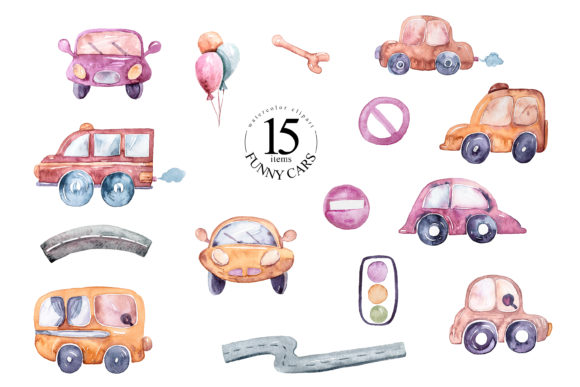
The first thing that stands out about this design is its gentle watercolor feel. The pastel hues and subtle brushstrokes give it a hand-painted look, which feels both artistic and approachable. Unlike rigid vector-based designs, this one has a fluid, organic quality that makes it ideal for handmade or boutique-style products.
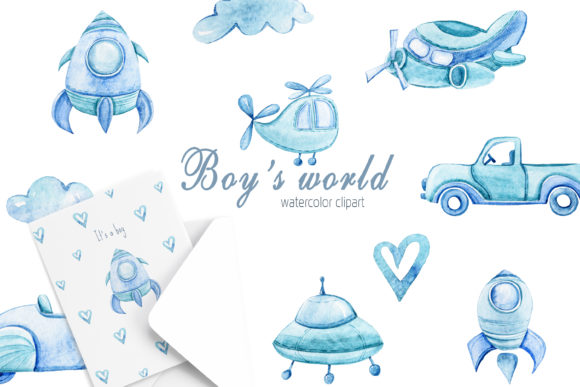
Visually, the cars are stylized but recognizable, with rounded edges and a playful arrangement. They’re not too detailed, which is great news for embroidery because it means the design can be stitched cleanly without overwhelming the fabric. The overall theme is cheerful and comforting—just right for nursery-related items like baby clothes, blankets, or even holiday gifts.
Where This Design Shines in Real Use
I recently tested the Watercolor Nursery Cars Clipart on a custom sweatshirt embroidery project for a client’s newborn. The soft color palette blended beautifully with the light beige fabric, making the design feel part of the garment rather than just added on. It worked equally well as a tote bag design, where the larger surface area allowed the full layout to breathe and maintain its visual impact after stitching.
- Custom Apparel: Especially suited for sweatshirts, t-shirts, and onesies. The muted tones won’t overpower other elements if you're layering text or additional graphics.
- Baby Clothes & Nursery Decor: The playful yet soothing style fits naturally into gender-neutral or vintage-themed baby rooms. It adds a touch of personality without being too loud.
- Patches & Aprons: As an embroidered patch, the design looked elegant when placed on a white linen apron. The simplicity helped it stand out while still feeling cohesive with the overall item.
- Tea Towels & Pillow Covers: On cotton blends, the watercolor effect translated well through fill stitch and running stitch techniques. The result was clean and charming, fitting well within a home décor line.
- Digital Product Previews: For Etsy sellers or digital product creators, this design works nicely in printable mockups. Its visual appeal helps elevate your listings and make them more appealing to buyers looking for unique, artisanal touches.
When to Proceed with Caution
While this design is versatile, there are some situations where you’ll want to think twice before using it. Here are a few real-world challenges I encountered during testing:
- Small Hoop Sizes: The detail level is moderate, but when scaled down significantly, the fine lines and subtle shading can get lost. Stick to medium to large hoop sizes for best results.
- Stretchy or Textured Fabrics: The soft curves of the cars didn’t hold up as well on stretchy knits or fabrics with a rougher texture. The stitch density needs careful adjustment to avoid puckering or distortion.
- Dark Fabric Backgrounds: On darker materials, the pastel colors lose their vibrancy. You might consider reversing the design or adding a contrasting stabilizer to help the thread pop.
- Products That Need Frequent Washing: While the design held up after a couple of test washes, the fine details could fade over time if not stitched with high-quality threads. This is especially important for baby clothes or reusable totes.
- Curved Surfaces Like Caps: The shape and flow of the design don’t adapt easily to curved surfaces. If you're planning to use it on a cap or hat, simplify the layout or place it in a flat section only.
Practical Designer Notes for Real-World Application
Before committing to a commercial run or including the machine embroidery design in your craft business offerings, take these steps to ensure the final product looks professional and meets customer expectations:
- Test on Scrap Fabric: Always stitch a sample piece first. I used a cotton blend to simulate a typical tote or pillow cover, and it gave me a good idea of how the design would perform under different conditions.
- Check Thread Color Contrast: The default thread colors provided in the embroidry file are soft and harmonious, but they may not work for every fabric. Consider adjusting the palette for better visibility, especially on lighter or patterned backgrounds.
- Review Stitch Density: Because of the watercolor style, the design relies on delicate lines. Too dense a stitch count can muddy the look. Aim for a balance between coverage and clarity.
- Confirm Hoop Size: Don’t assume the design will fit in any hoop. Check the recommended dimensions and adjust accordingly. Some files include multiple versions for flexibility, but not all do.
- Inspect Small Details: Look closely at the corners and outlines of the cars. In my tests, some areas had tiny gaps that could snag if not reinforced properly.
- Test in Black and White: Even if you plan to use color, seeing the design in grayscale helps assess contrast and how it might look if printed or viewed under different lighting.
- Compare Light and Dark Fabrics: Try stitching the design on both ends of the spectrum. You’ll quickly see where it thrives and where it struggles.
- Use Proper Stabilizer: A tear-away or cut-away stabilizer can make a big difference, especially if you're working with delicate or stretchy materials.
- Confirm Licensing Before Selling: Since this is an illustration, always verify whether it's royalty-free or requires attribution for commercial use. This step is crucial for handmade shop owners and digital product sellers.
Impact on Branding and Customer Appeal
What makes this design particularly valuable is its ability to add a personalized gift vibe to almost any product. Whether you're selling a holiday embroidery item or a custom apparel piece for a boutique, the Watercolor Nursery Cars Clipart brings a sense of warmth and authenticity that customers respond to.
From a branding perspective, it aligns well with themes of childhood, creativity, and care. It’s also flexible enough to match different brand styles—from minimalist and modern to cozy and nostalgic. As long as you pair it with complementary fonts or motifs, it can become a signature element in your small shop product lineup.
In terms of product value, the design elevates basic items into something special. Parents love the subtle elegance of a watercolor-style car motif on a baby blanket or onesie, and it can command a slightly higher price point due to its perceived quality and uniqueness.
Final Thoughts for Creative Entrepreneurs
Embroidery isn't just about what looks good on screen—it's about how it translates to the finished product. The Watercolor Nursery Cars Clipart passes the practicality test in many ways, but it’s not a one-size-fits-all solution. It performs best on smooth, medium-weight fabrics where the softness of the design can shine through without distortion.
If you're an apparel decorator or handmade product creator, this design is a solid choice for items like tote bags, baby clothes, or decorative pillows. Just remember to scale it appropriately, test it thoroughly, and consider the end-use scenario before sending it to production.
For digital embroidery file users, it’s worth noting that this design doesn’t have extreme stitch counts or overly complex sections. It’s easy to edit, re-color, or combine with other elements in your creative toolkit. But again, check the licensing terms before selling anything based on it.
Overall, the Watercolor Nursery Cars Clipart is a thoughtful addition to your design assets, offering both visual appeal and functional versatility. With the right preparation and application, it can enhance your finished product and help build stronger connections with your audience.